Many people believe that “the time when you were born that
is the time to start your journey.” Do you agree with that?
What is your answer when you get a question like “What do you do in your free time? Or What are your favourite activities during your holiday?
Travel becomes the popular answer for people especially the people who have a purpose for leisure, recreation and holidays (UNWTO, 2018, P.3).
On the one hand, when people
think about travel most of the people may think about the budget has to prepare
and time to spend. On the other hand, people get various benefits from this
activity. What is the benefit for them? The answer to this question could be in two types of benefits. The first one is a direct benefit which happens
to the tourist, themselves. For example, tourist should prepare and get themselves
ready before starting their journey by manage and organise the planning such as booking transportation ticket like
air or train three month ahead and saving money to pay for the cost of traveling. An indirect benefit which occurs
to world economics is the second benefit. According to the figure for total international tourism receipts in
2017 was risen 5% from 2016 which
is 1,340 billion (UNWTO, 2018, P.2). This
is because when people start the journey, they are going to spend the budget of
the program. For instance, when a tourist
from Asia travel to Europe, they should exchange their currency to be destination
currency which means the profit from selling
and buying currency happen to the exchange service companies. Even though, four
of five or 80 percent of tourist travel within their region (UNWTO, 2018, P.14)
however, the currency exchange business keep continuous because each country in
each region has their currency. Although
in European Union (EU) has Euro which is the official currency but not every
member country uses this standard (EUROPA, 2018, para. 2)
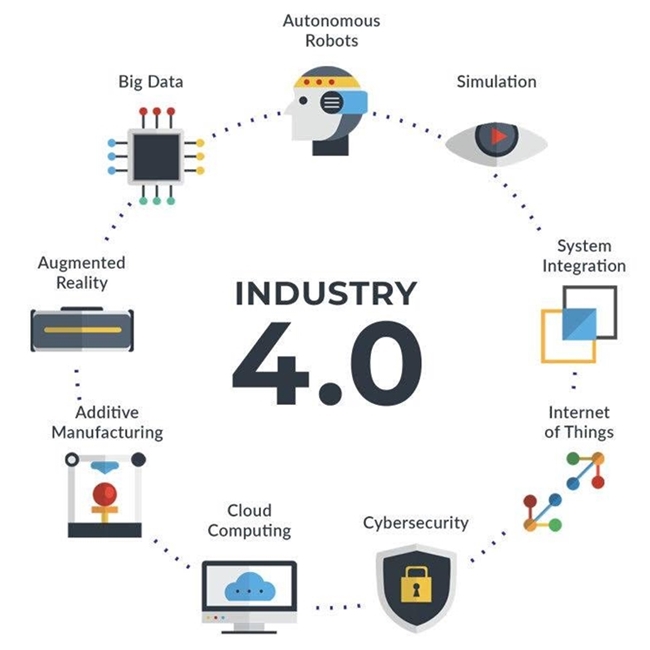
In the present day, new
technology changed the world rapidly not only machine but also people life
‘style too. The human can get advantage
from this change. This is because technology
offer the convention for the worker and do the job in wherever has an internet connection. For example, an employee can present their job to an employer from around the world via a digital platform. To what extent digital technology can create new
economy including traveling.
Are you ready for your life’ s journey? In the digital technology era.
I have been working for the government sector more than a decade, and this is the best opportunity for me to update what is going on in the private sector in the 4th industrial revolution which builds on the digital revolution. (Marr, 2018)
Time to the end of this module; however, I have learned various knowledge from a new digital learning platform, Canvas, which convenient to share opinion and flexible for a timetable of study.
Learning from reading made me realized that how the business’s world has changed rapidly after the 2000s. Also, another benefit from this studying has inspired me to think out of the box and see the world in different angles
For instance, in week 3 case study of “Amazon go” had surprised me that the digital innovation of online platform could apply for a physical platform to transform its business model to become a digital retail store by using mobile app which serves the changes of customer behavior in the digital era.
Furthermore, the new knowledge
from each week solved several questions which happen in my mind during the time that I
surf the Internet especially when I was
shopping online. For example, an e-commerce
website will offer the item which suitable for my
personalization. This is because these
websites implement the social, mobile, analytics and cloud (SAMC) to integrate
the best choice for its customers.
Moreover, sharing economy concept like Airbnb
and Uber which were amazing to me in
terms of changing the stranger become trustworthy
people by using credit scoring. This is because
the score can ensure the customer that they can get the best service from the superb
owner of houses and cars.
Last but not least, the circular economy emphasizes that the success of businesses cannot be sustainable if it only takes
the profit from commerce and never concern about eco-friendly
and relationship with partnerships.
Briefly, connecting and sharing comments with other student is the most of favorite activities. I really enjoy discussing with people who have a different perspective. This is because the way how to make a suitable comment is the art of communication skill.
As seen in the direct linkof four comments on these blog posts such as below:
To conclude, the digital transformation happens continuously and no longer restricted by geographical boundaries. Notwithstanding, digital businesses have opportunities and challenges themselves. Every business has to change its modes operandi and adopt the digital business practice to ensure success and survival. even though future employees should develop the digital skill for employability purpose.
As I am a taxation student, what I will take forward from this module, the video will show you.
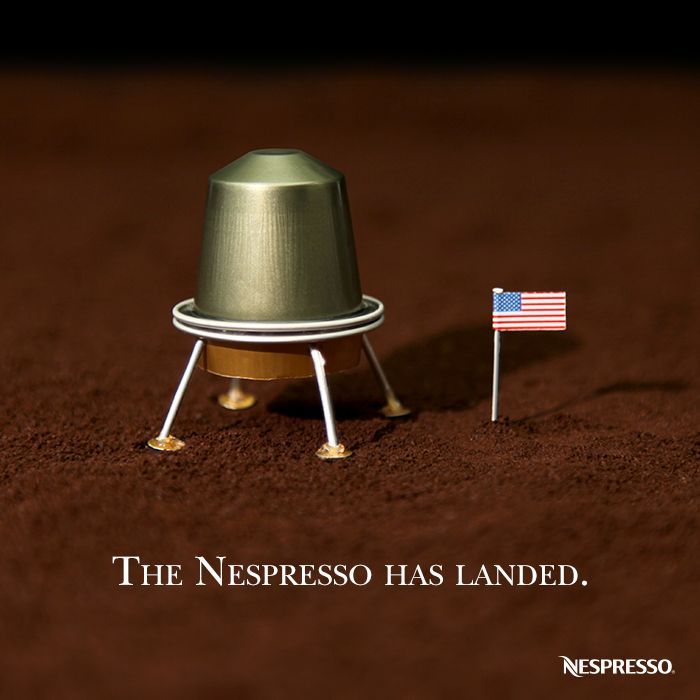
Nestle has been making instant coffee since 1938. Nespresso was initially launched in 1979 but suffered in several production problems of machine and capsules such as an error and delay support in capsules order and machine manufacturer. (Lachapelle, 2018, p.3). They learnt from these problems and Nespresso became the leader with high market share of capsules coffee by the 2000s.
In 1986, seven years after the first attempt, nestle established Nespresso company as a subsidiary owned by itself. Nestle was repositioned as an invention product of Nespresso’s business model by dividing the customer segment of the Nespresso system, which focused only on B2B sector, into two main customer segments. (Lachapelle, 2018, p.4) The first B2B segment included companies, hotels, restaurants, and first-class airline. Another segment is Business to the customer (B2C) such as 18-65 years old, niche market, and medium-high income. While Nespresso has changed customer segment, it remains focused on its original value proposition to offer the high-end cup of espresso coffee – like a barista style at home and workplace. (Nestle, 2016)
The problem of coffee machine production was solved by outsourcing machine manufacture which is a vital partner of its business. Other key partnerships are raw material suppliers which produce the coffee beans for its capsules.
Nespresso uses lock-in strategy – which means the coffee machine is compatible only with Nespresso capsules. This mean, on-going purchase of capsules generates its main revenue stream. (Lachapelle, 2018, p.5)
Nespresso protects intellectual resources which are its key resource by registering in 1,700 patents to prevent competitor release similar or counterfeit machine and capsules.
In term of physical and digital channels, Nespresso has separated into direct and indirect channels to deliver value and interact with its customers. Retailers even in the electronic store are an indirect channel via partner channels because Nespresso wants to bring the machine into the household. (Nestle, 2016)
Nespresso uses its own channel which is a direct channel to eliminate the middle man and increase the speed of sale and delivery to its customers. This channel creates value for its business and its customers because there is no margin cost from the merchant, therefore, the customers buy at reduce prices. They use telephone and e-mail to give advice on the selection of Grand Crus and machine, and to respond to individual need of Nespresso club member. Since 1996, Nespresso has launched its own website Nespresso.com via digital/online channel and developed the first e-commerce platform in 1998 to provide global online ordering 24/7 for Nespresso club member, and now a Nespresso mobile App for Nespresso club members to reserve 48 hours delivery. Moreover, Nespresso maintains relationship with customers via Facebook which already has fans of over five million. (Nestle, 2016).
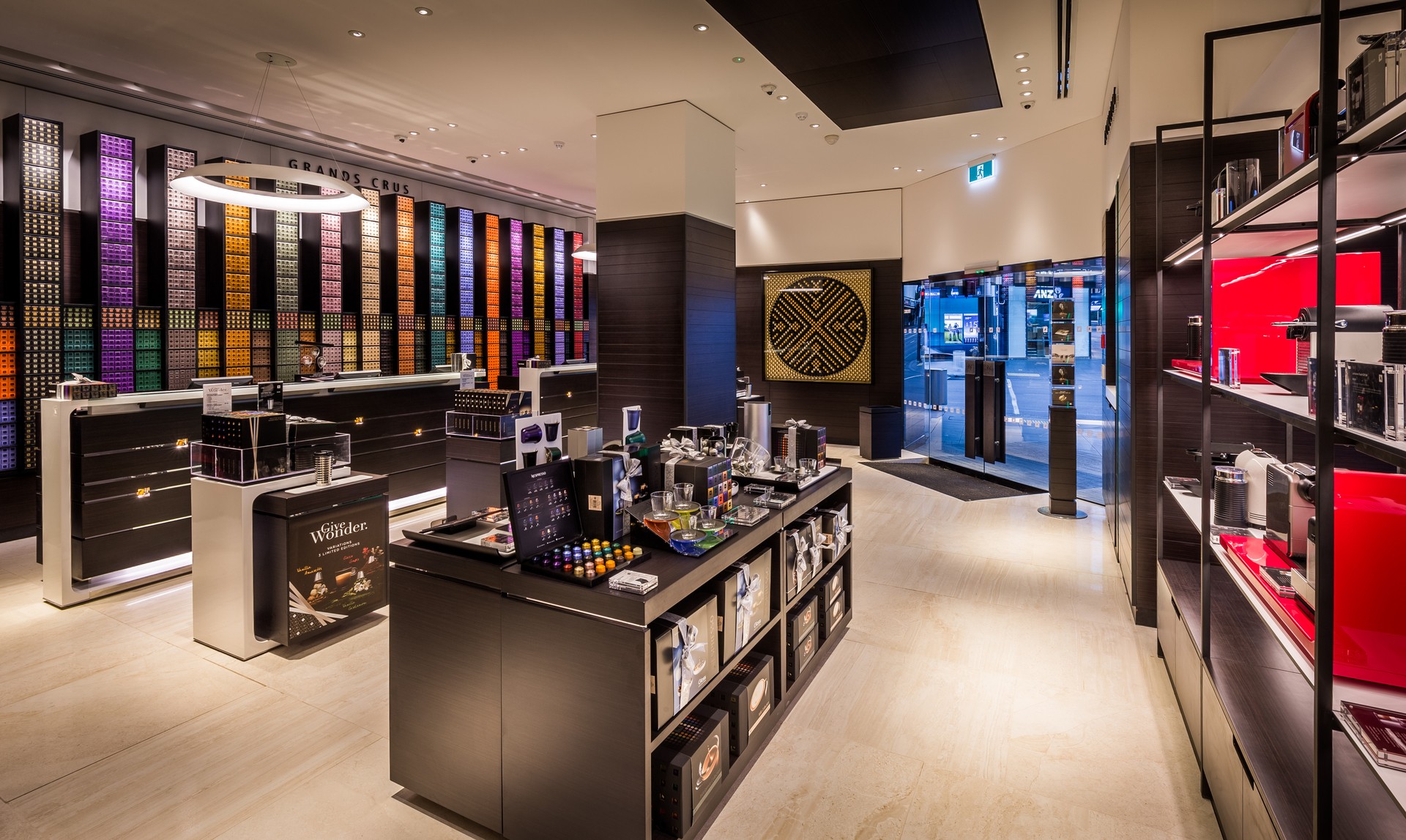
The next channel is physical/offline, which delivers a unique experience value via international retail shops. The first Nespresso boutiques opened in 2000 in Paris and now there are 792. (Nestle Corp., 2017, p. 36) Furthermore, Nespresso cubes- a digital and automatic boutique, which offers the art of personal shopping experience via limited edition flavours, as well as customers being able to enjoy watching the unbelievable speed of order process which is handled by a robot within the machine.
Customer relationships are managed though marketing channel. Nespresso integrates four crucial elements include social, mobile, analytics, and cloud (SMAC) to leverage all interaction of customers data via in-store order, website and App orders, and even consumer complaint which are stored on the cloud. They analyse customer behaviour and intention by using big data to generate real insight and personalize for customers.
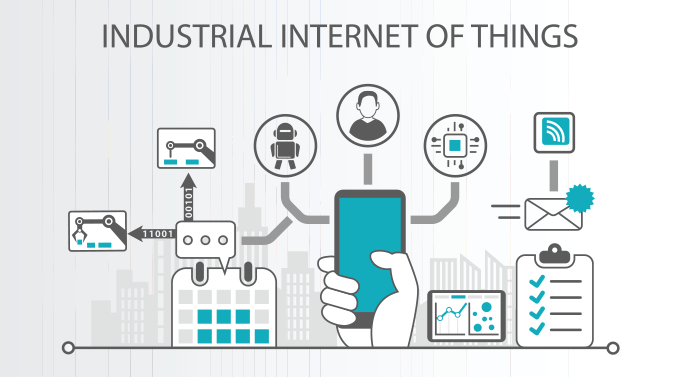
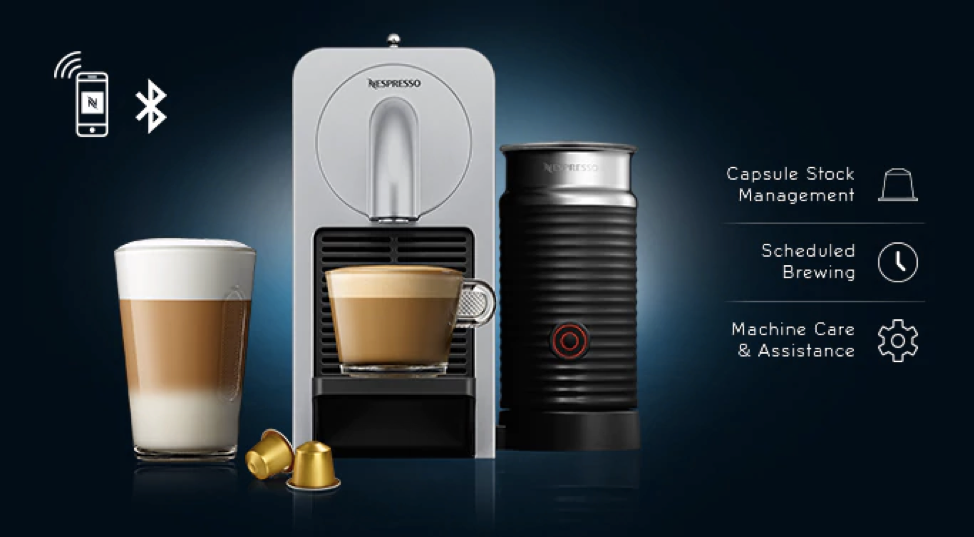
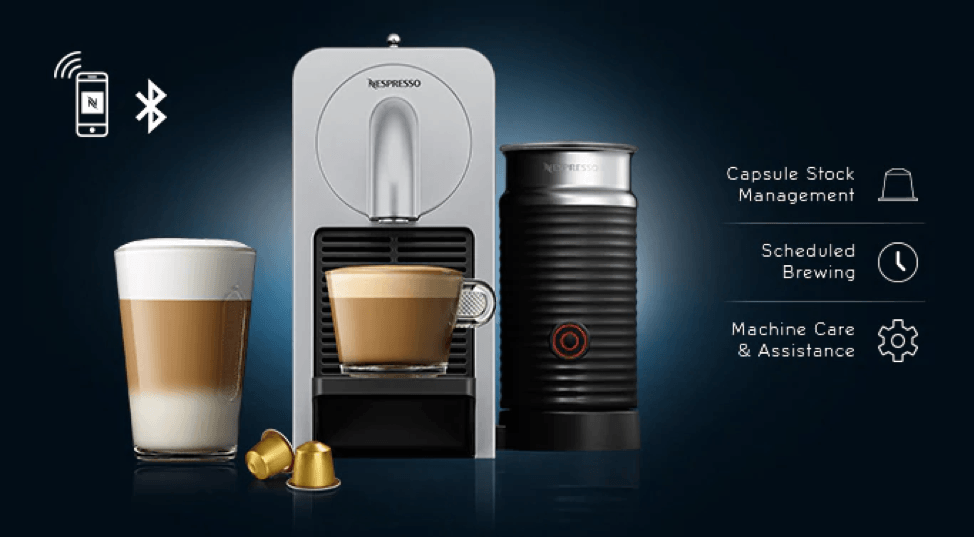
This information induced Nespresso in the digital transformation to make the coffee machine “Nespresso Prodigio” which connects with the Nespresso App within your smartphone via Bluetooth to let you set up time for the machine to make coffee, to allow you to order or reorder capsules in one touch and also to alert you though your phone when the machine needs to refill water or service maintenance.
Research and development (R&D) are key activities for Nespresso on digital innovation to invent “capsules recycling” – made from aluminium which is recyclable to protect quality and aroma from light, humidity, and oxygen.
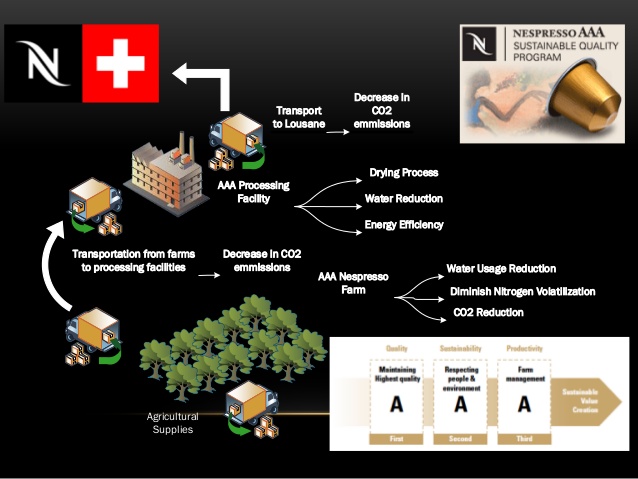
Moreover, in term of circular system of agriculture, Nespresso launched the AAA sustainable quality program – sustain quality coffee sourcing under ecollaboration with coffee farmers create sustainability across the coffee value chain. (Nestle, 2016) The positive outcome such as 90% of Nespresso coffee source though this program, 100 % of coffee delivered by train, 16-20% energy saved during roasting, is 230,000 m3 of gas saved a year.
To conclude, the main concept of Nespresso business model is management control in every single step of coffee supply chain from coffee farmer to end-user. However, they should continue with investment in the physical store to reinforce sale volume via the digital platform. This is because customers are necessary to trial and select which favors they prefer before order or reorder the capsules.
References :
1. Lachapelle. (2018). Business Model Design. Retrieved 25 February 2019 from
How Zara succeeded in the global of High Street fashion industry?
The largest clothes company from Spain name is Zara, which is the most well-known and highly profitable brand of eight brands of Inditex company. The first store, established in 1975, has become Headquarter in the present.
At the end of 2017, Zara has 2,251
stores in 96 markets and 46 online markets, including America, Europe, Asia, and the Middle
East. Zara has claimed €16,620 million of
net sales. (Inditex, Annual report, 2017).
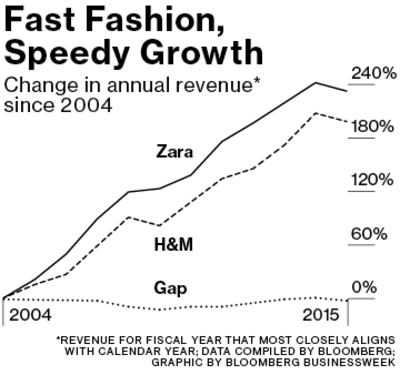
Over the last fifteen years, the retail industry has changed rapidly. Especially, the changes in the High street fashion industry. Zara has become the leader in the contemporary fashion industry by using two strategies including “fast fashion strategy” that uses information technology system, and “effective supply chain management” that included just-in-time and quick response system. Since the company has implemented these strategies the growth of Zara’s annual revenue has grown over 220% from 2004 to 2015. (Baker, 2016).
During that time, Zara integrated strategies
in all its process and use modern technology in the 21st century to produce their product.
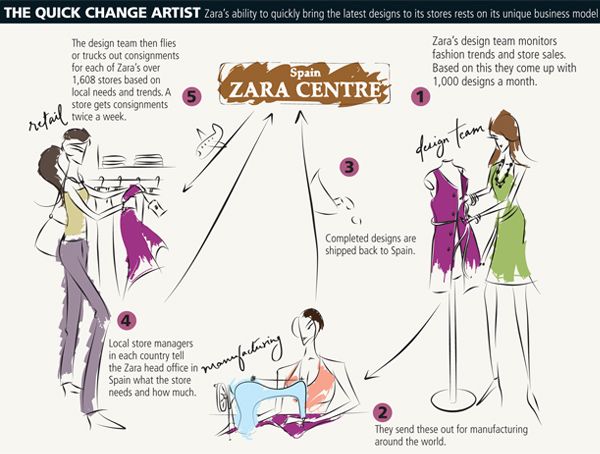
The first process is textile-finishing operations. Zara has its distribution center called “the cube” which is connected by underground tunnels with a high-speed monorail to move cut and dyeing fabrics, and assembly clothing items to each factory. Fabric supplies within 5 days, and the Design team create 1,000 designs a month and change their design every 2 weeks. The process of designing new products and having finished goods in the store within 3 weeks whereas competitors have to take 3-5 months for this process.
The next process is logistics and distribution, Zara can deliver to a worldwide store between 24-48 hours by trucks and air freight. The variety of clothes in a small quantity and on sale for a short time period (not more than 15 days) creates “sense of scarcity” – customer being aware that the item in the store will finish, therefore, choose and buy items immediately rather than waiting for a sale.
The last process is up-to-date demand management, this activity happens on a daily basis. After the customers leave, store manager from around the world will use wireless handsets to communicate with the designer team in Spain to inform them of the inventory level and update them on customer’s behavior, what is real time response of customer demands – which design, which colors, which is the popular themes. In this process, Zara operates the store’s inventory level as a just-in-time supply chain. The result of these strategies emphasise the marketing’ position of Zara which is the design leader.(Tidd, Bessant & Pavitt, 2013, p.3)
More than a decade, focus on main point : over 10 years large quality of useful data which was collected from a human via the communication channel between involving staff in different sections as well as the information was analysed to support decision making of Managing director who conducts the fast fashion strategy of Zara.
If fast fashion strategy and effective supply chain management are the opportunities which turn Zara into the leader of high-street fashion industry, the online trend which is unstoppable could become the challenge of this organization in the digitalization era.
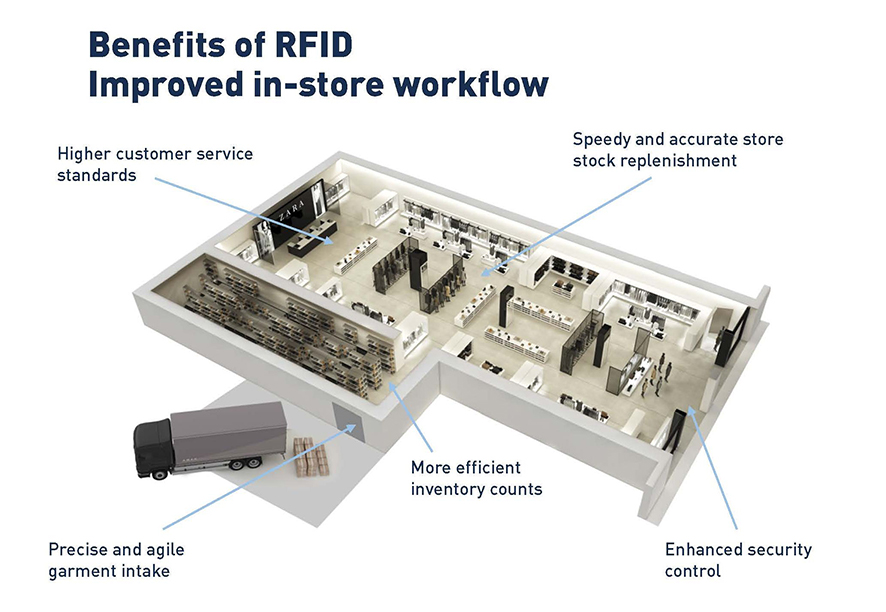
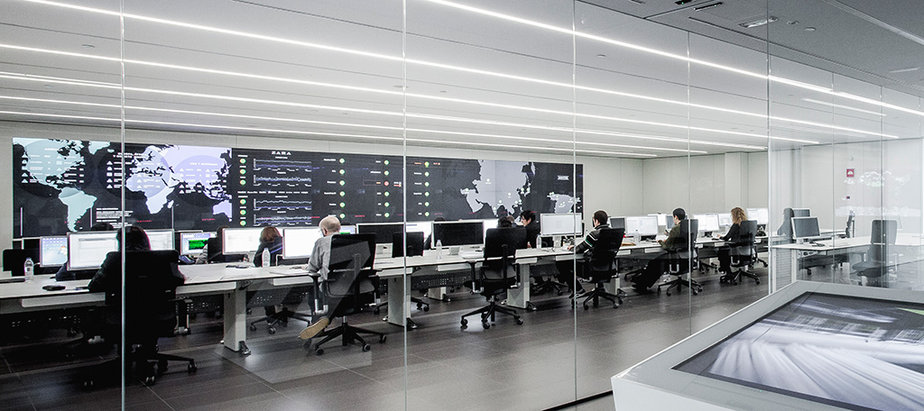
In 2016, six years later after the first online store has launched in August 2010 (Caesar, 2010), Zara focused on using big-data analysis to increase online sale volume by tagging every item of clothing with radiofrequency identification (RFID) (Inditex, annual report, 2016) microchip during the finishing process before product leaves from central warehouse. This technology equipment can provide real-time tracking of store inventory level and identify which item is purchased by the customer in each retail store. Therefore, the data about the sale in a stock keeping unit (SKU) in each store demonstrate the speed a top-selling product moves from the shelf to the customer. The point of sale (POS) is sent directly to Zara’s data processing center on a real-time basis. This center operates 24 hours a day, collects data from 2,251 retail stores across 96 markets and information is used by involve department such as design team, inventory management, logistics and distribution and customer service improvement to eliminate the risk of fashion and to minimize waste of product’s life cycle.
As a result, the update real-time from each store has improved stock and inventory movement faster than in the past 80%. In addition, salespeople, designer, apply for benefit from SKU information to serve customer’s needs with fashion trends.
The success of fully integrating between sale channel network, physical and digital store inventory and mobile payment, the number of Zara’s online sales grew by 41% in 47 online markets via a global e-commerce platform.
Zara
provides an in-store collection from online purchase in case of the customer do
not have a credit card. Besides, the benefit
of online and offline, which purchase from the integrated management is receipts
of each purchase are saved automatically.
Future more, Zara has operated a new pop-up store format in Stratford, London which aim to improve shopping experience by select item in store and them order through Zara.com from the store.
References:
Baker.
(2016). Zara’s Recipe for Success: More Data, Fewer Bosses. Retrieved February 8,
2019 from